How Long Will It Take to Rank in Google in 2026?

Adam Dowling
SEO Analyst & Copywriter-
 Share
Share
-
 No Comments
 -
 4 min read
A very common question our new clients ask is, “How long will it take for my website to rank on Google?”
Well… it depends 🙃
We know that’s an unsatisfying answer, but there are so many factors at play that affect the timeframe in which your website will begin to rank. It would simply be dishonest of us to throw out claims such as “guaranteed number one rankings in a month!” (and yes, you should be very wary of anyone who makes such promises).
Below, we’ll walk through what actually affects ranking timeframes in 2026, how things have evolved, and why patience and strategy still pay off.
⚔️ How Competitive is Your Niche?
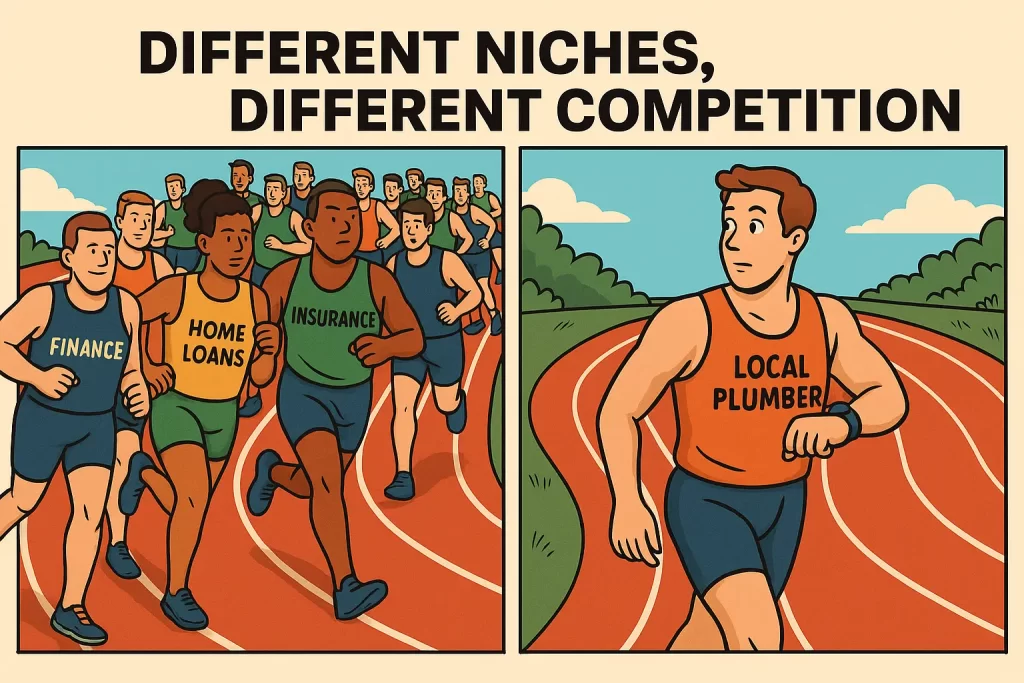
It’s difficult to pin down a specific ranking timeframe because it depends on how competitive your niche is.
For example, achieving ranking success in the finance or insurance niche for a search term like “home loans” will take far longer than ranking a local plumbing business for “plumber North Shore”. This is because national industries have more companies competing for the same terms, with much larger marketing budgets to back them.
Before estimating any timeframe, we always analyse your niche and competitors. A small local business with a well-optimised site can see movement within months, while a brand in a crowded national market might be competing for years.
👴🏻 How Old / Authoritative is Your Website?
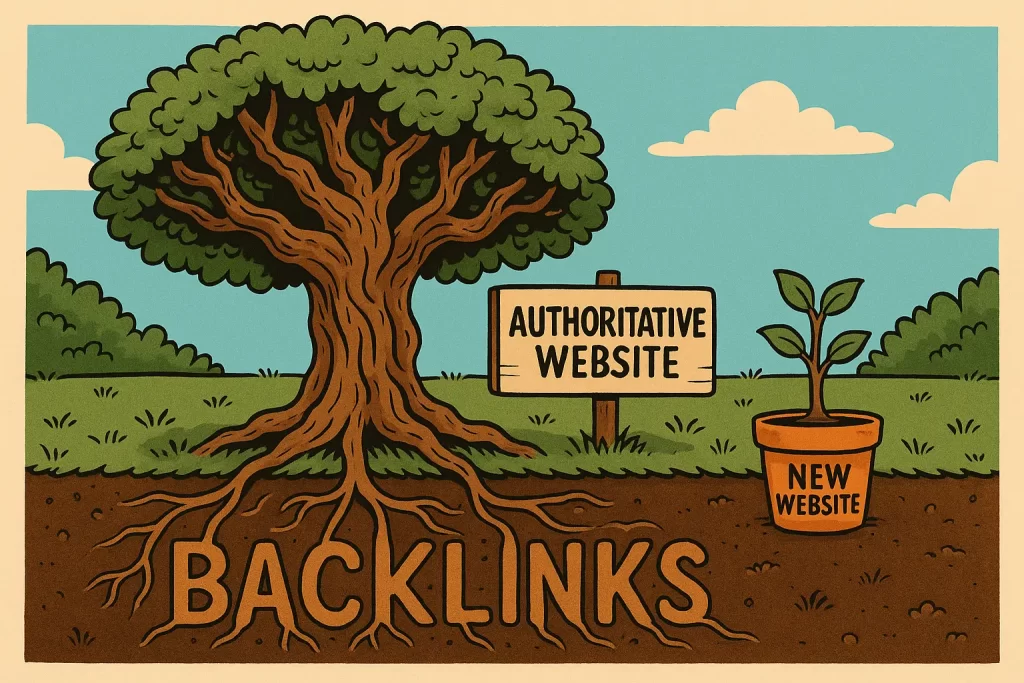
If your website has been around for a while, there’s a good chance it already holds some authority in Google’s eyes. A key signal of authority is the number, quality, and relevance of other trusted websites that link to yours. The older your website, the more likely these connections already exist.
An established domain with strong backlinks will generally rank much faster than a brand-new site. That doesn’t mean a new site can’t rank, but it may take more time and effort. A solid keyword strategy and properly executed on-page optimisation can significantly shorten that journey.
How Good is Your On-Page Optimisation?
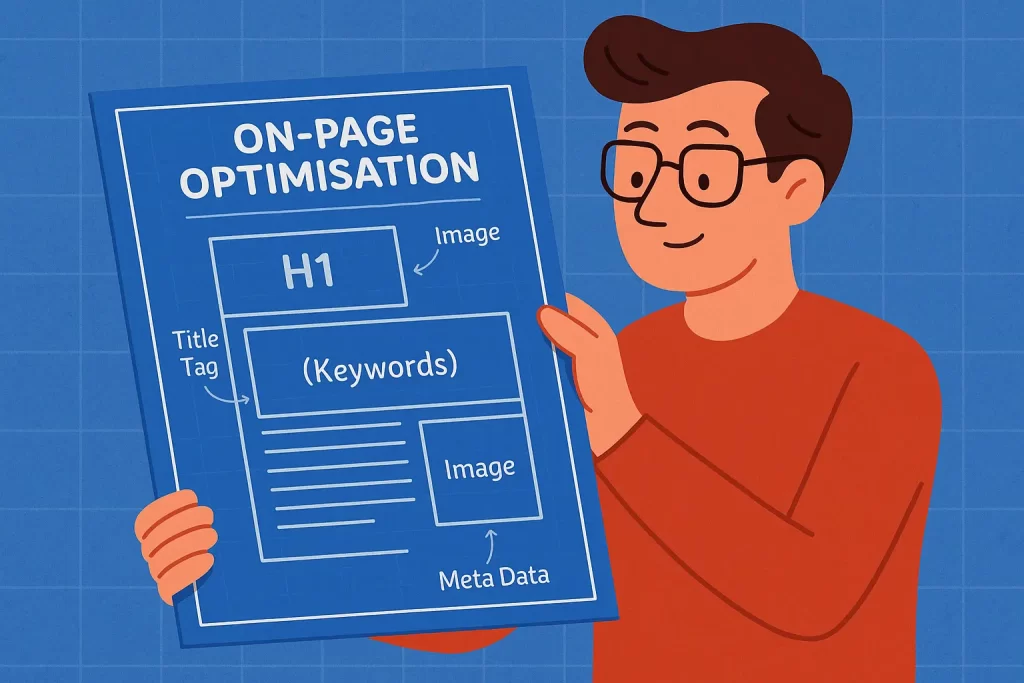
On-page optimisation is how well your website is “wired” for your target search terms. If the title of your website’s homepage is “Homepage”, then chances are you won’t be ranking anytime soon.
Your on-page optimisation is afforded by sound keyword research, which identifies exactly what people are searching for in your particular niche. With this knowledge, you can begin to optimise on-page elements such as copy, headings, title tags, image tags and more.
This clearly signals to Google what your website is about and what search terms it should rank for. Once on-page optimisation is complete, the chances of your website ranking drastically increase. A sound keyword strategy and on-page optimisation is essential to good organic rankings. However, it does take additional time and effort, which will affect how long it takes for the website to rank.
⚙️ Does Your Website Have an SEO-Friendly CMS or Technical Issues?
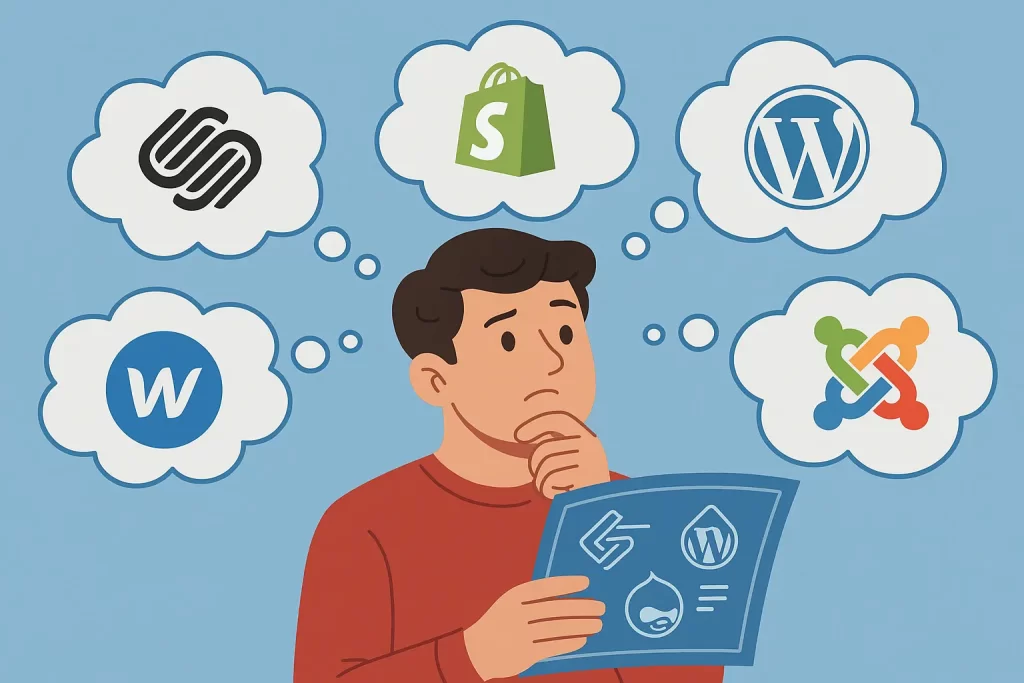
Your content management system (CMS) plays a surprisingly big role in how quickly your site can rank.
Platforms like WordPress, Shopify and Webflow are built with SEO-friendly frameworks that allow easy editing of important SEO elements. However, if your website was built on a restrictive or custom system, optimisation may be limited or even impossible without redevelopment.
Technical issues such as broken links, slow load times or missing structured data can also hold you back. Google rewards websites that are fast, mobile-friendly and technically sound.
🚩 My Agency Promised Me Rankings in a Couple of Weeks

If you’ve ever heard an agency promise “page one rankings in two weeks”, treat that as a major red flag 🚩
Here’s why:
- For competitive keywords, that’s almost never achievable.
- Short-term “wins” are often based on low-volume or obscure keywords that don’t deliver real traffic.
- Some agencies use risky shortcuts like buying spammy backlinks or auto-generated content. These can trigger penalties that take months to recover from.
In reality, SEO is a strategic, long-term investment. The sites that perform best in 2026 are those built with consistent, sustainable optimisation over time – not quick-fix tactics.
⏰ Realistic Timeframes for 2026

While it always depends on your niche, authority and resources, here’s a general guide for what we’re seeing in 2026:
- Months 0–2: Setup and optimisation – Google indexing, analytics setup, keyword research, and on-page work.
- Months 2–4: Early signs of movement – especially for low-competition keywords.
- Months 4–8: Noticeable improvements in rankings and organic traffic.
- Months 8–12: More competitive keywords begin to move.
- 12 months+: Strong organic growth and brand visibility.
Backlink building, content expansion, and local SEO all accelerate this process. The greater your consistency and investment, the faster you’ll see results.
🌍 Do People Still Use Google in 2026?
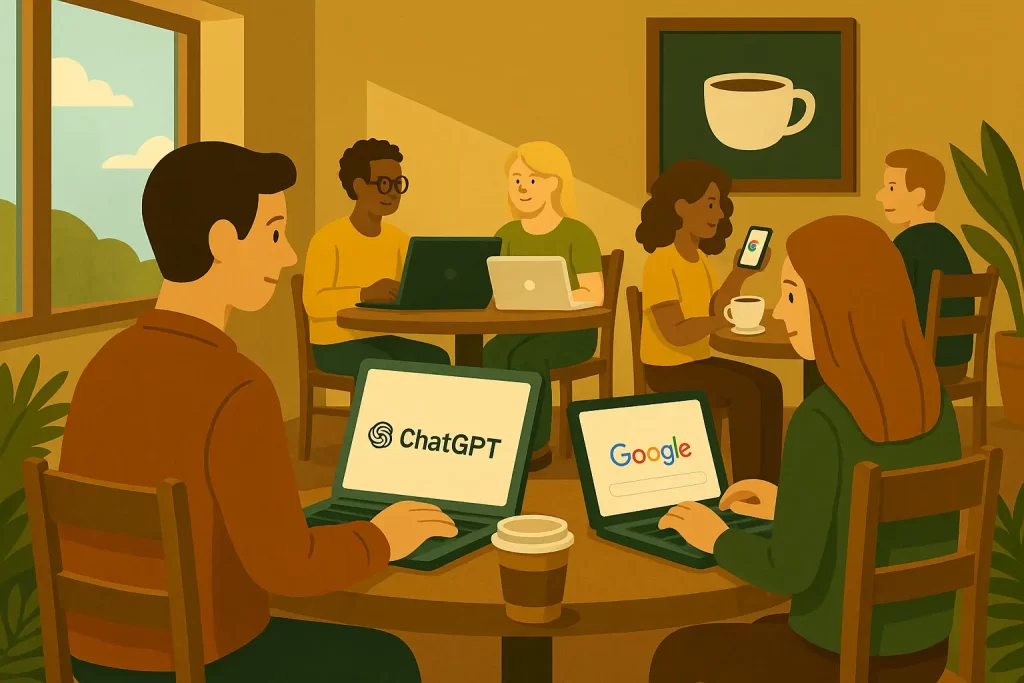
Yes – absolutely.
While new AI-powered search platforms are growing quickly, Google still dominates global search. As of 2026, Google retains around 90% of the total search market share worldwide, and a similar share in New Zealand.
So while people are experimenting with ai chatbots like ChatGPT, Perplexity, and Claude, the majority of real-world discovery and website traffic still comes through Google Search. For NZ businesses, it remains the most important channel to appear in.
🤖 Optimising for AI Chatbots (and Why It’s Not So Different)
One of the biggest questions we hear lately is: Should I optimise for AI search?
The good news is that what helps you rank in Google also helps you appear in AI-generated answers. Large-language-model-based assistants often pull from high-quality, clearly structured content – exactly the kind Google rewards.
Here’s what to focus on:
- Write in a clear, authoritative tone that directly answers user questions.
- Use structured headings (H1, H2, H3) and FAQs that make it easy for both Google and AI to parse your content.
- Add schema markup to identify articles, products and FAQs.
- Keep your content fresh and up to date.
- Cite credible sources and include original insights or data where possible.
In short: optimise for humans, not algorithms. When your content is genuinely helpful and well organised, it will perform well across Google and AI search.
✅ So Are You Going to Give Me an Answer?
If you’ve made it this far, you can probably guess the answer remains – it depends!
But for making it this far, here’s something a bit more definitive:
Based on our experience, we generally see a strong uplift in organic visibility within 2–3 months as we complete foundational SEO work such as analytics setup, keyword research and on-page optimisation. From there, most clients see significant ranking and traffic improvements within 6–12 months.
And, like most things in life, the greater the effort, resources and consistency you invest, the faster and stronger your results will be. Ready to take your SEO to the next level? Talk to Pixi Digital!
Leave Your Comments
Subcribe to our newsletter!


Spotlight
 Adam Dowling
  5 min read